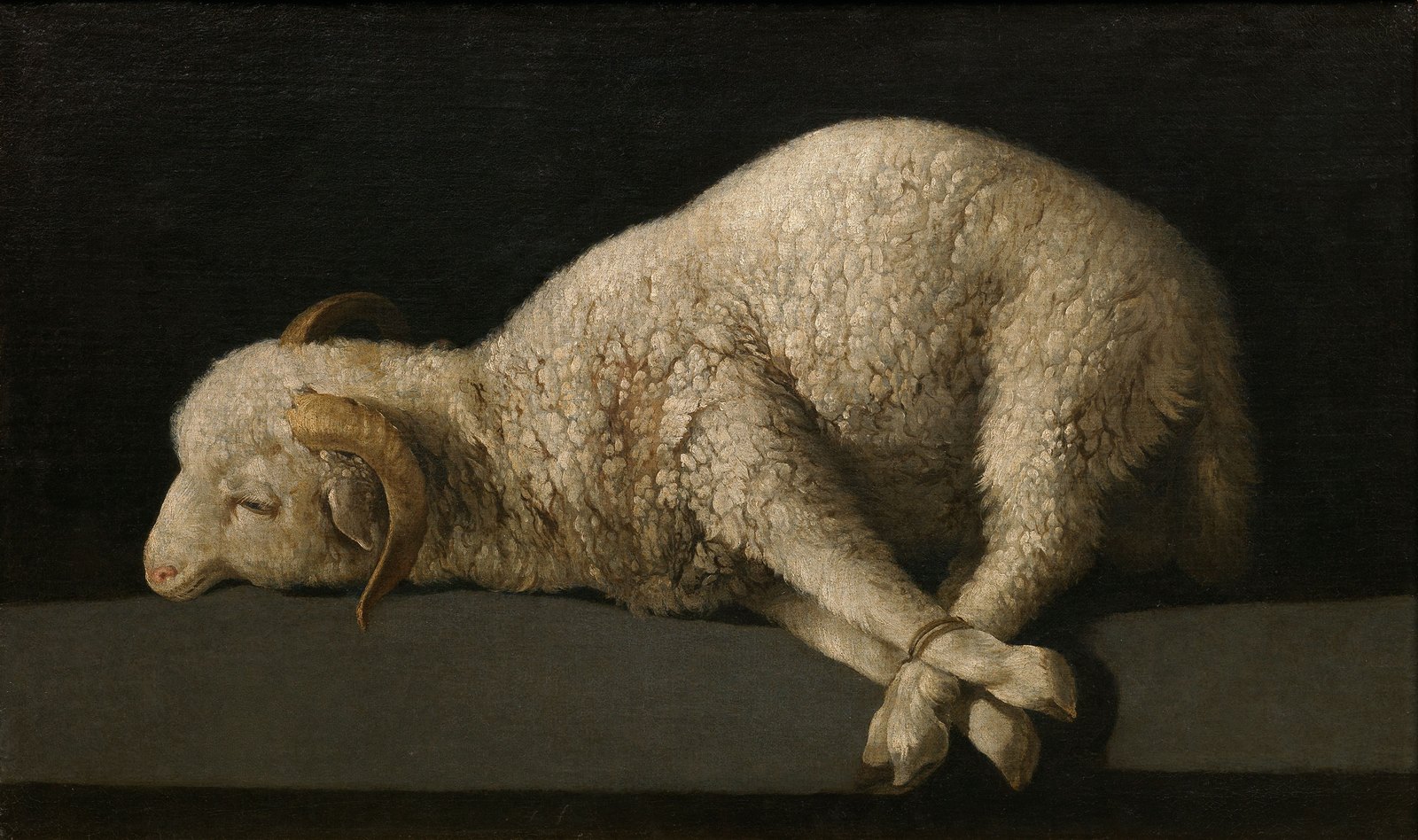
Worthy is the Lamb
IFS, Boundaries, and the Biblical Mirror of the Inner Life
In Revelation 5:12, a heavenly chorus proclaims:
“Worthy is the Lamb who was slain, to receive power and wealth and wisdom and might and honor and glory and blessing!”
The Wound, the Protector, and the Manager
This phrase has been echoing through my heart as I continue exploring the Bible, after a couple of years of deep-dive into Internal Family Systems (IFS). In that framework, wounding often creates a trio of inner parts:
– the wound that holds the pain,
– the protector that holds the rage, and
– the manager that tries to keep both hidden or balanced.
Much of the work in IFS is about learning to unblend from these parts. To build a relationship with them. So that instead of reacting to the world as the pain or as the rage, you—your grounded, adult Self—can hear what each part wants to say, and then choose how to respond.
At first, the manager part often tries to keep the pain and rage out of your awareness entirely. But once it trusts that you can release the grief and channel the fire without being consumed by either, it lays down its yoke. Once the manager is settled, the polarity between the wound and the protector really resembles the Biblical duality of Christ: the Lion of Judah, who came as the Lamb that was slain.
The lamb within us is that tender, grief-soaked innocence. The lion is the fierce protector. And if you haven’t yet found steadiness in yourself, it can feel safer to identify with the lion—because it feels powerful. But when we lash out from wounded rage, it may feel righteous, but it isolates us. It pushes others away. Many, both inside and outside the Church, tend to do that.
The Martial Mastery of Playful Boundary Setting
True mastery is when the lion is connected, calm, and in service of the lamb. Boundaries can then be set playfully. You don’t need to draw the sword—just rest your hand near the holster. Because what you’re protecting isn’t your ego… it’s the Light. The joy in the field. The innocent space where connection lives.
Boundary transgressions from others are often leaks from their own wounding, not acts of malice. And meeting them with playful boundary setting is crucial—because who you’re truly engaging in those moments is often their inner child. You can, of course, escalate if needed, but leading with play helps keep the field clean, sovereign, and connected to the Light.
The Lion in Service of the Lamb
And that, to me, is what the Lamb is worthy of:
Not just praise or worship, but protection—by the lion within us all.
Because when you’ve done the work to befriend your own rage and grief, when the lion bows to the lamb within you, you begin to see how sacred innocence really is. Not weak. Not naïve. But radiant.
To protect that space in ourselves—and in others—is holy work. And it’s what Christ modeled perfectly.
The Lion of Judah who chose to become the Lamb.
Not because He lacked power, but because He was worthy to carry it with gentleness, with grace, with sacrifice.
Worthy is the Lamb who was slain.
And in His image, we remember what it means to lead with love.
A Hidden Mirror in the Bible
In closing, I want to name how genuinely surprised I’ve felt at the healing wisdom I’ve found in the Bible and how it captures and completes what I have encountered in other modalities, so far.
As I sat in wonderment about this resonance, it hit me: "Of course IFS was born in the U.S."—a country rooted in Judeo-Christian values. It’s as if this framework arose to help people heal using Biblical wisdom… without needing to name it as such.
And how spacious is that?
Because for so many, the relationship to Christ is sticky. Painful. Tied up in betrayal, coercion, or trauma—some of it even enacted in His name, sometimes by parents or clergy. So it makes sense that many here encounter “born-again” moments multiple times in a lifetime. It’s part of metabolizing a legacy that’s been both life-giving and deeply wounding.
But when I read verses like “Worthy is the Lamb who was slain” and feel the inner resonance with the IFS journey—meeting the pain, the rage, the protector, the wound—I wonder if this isn’t the Spirit of Christ working from behind the scenes all along.
I don’t know if Dick Schwartz (the founder of IFS) was consciously aware of this biblical mirror. I know that Bob Falconer, who bridges IFS with spirit work, speaks of being guided by a particular spirit but doesn’t name who, even when prompted. In the past, I wondered if it was Allah. Now I suspect... it might be Christ? I don't know.
The anthropology of it all is truly fascinating.