The Incompleteness of the Childless Consciousness Explorer
Why biological parenthood is an irreplaceable portal of human experience for anyone interested in framing theories of consciousness
There is a heartbreak I feel when I witness so many humans in the spiritual and self-growth communities—introspective, intelligent, and successful—who have either forsaken their desire for biological parenthood or become disconnected from it. It pains me to see those who are deeply engaged in the pursuit of meaning and self-awareness overlook, or even dismiss, one of the most profound portals of transformation available to us as human beings. Some may have moved beyond the possibility of parenthood and now stand in denial of its profundity, while others may have never allowed themselves to fully consider it.
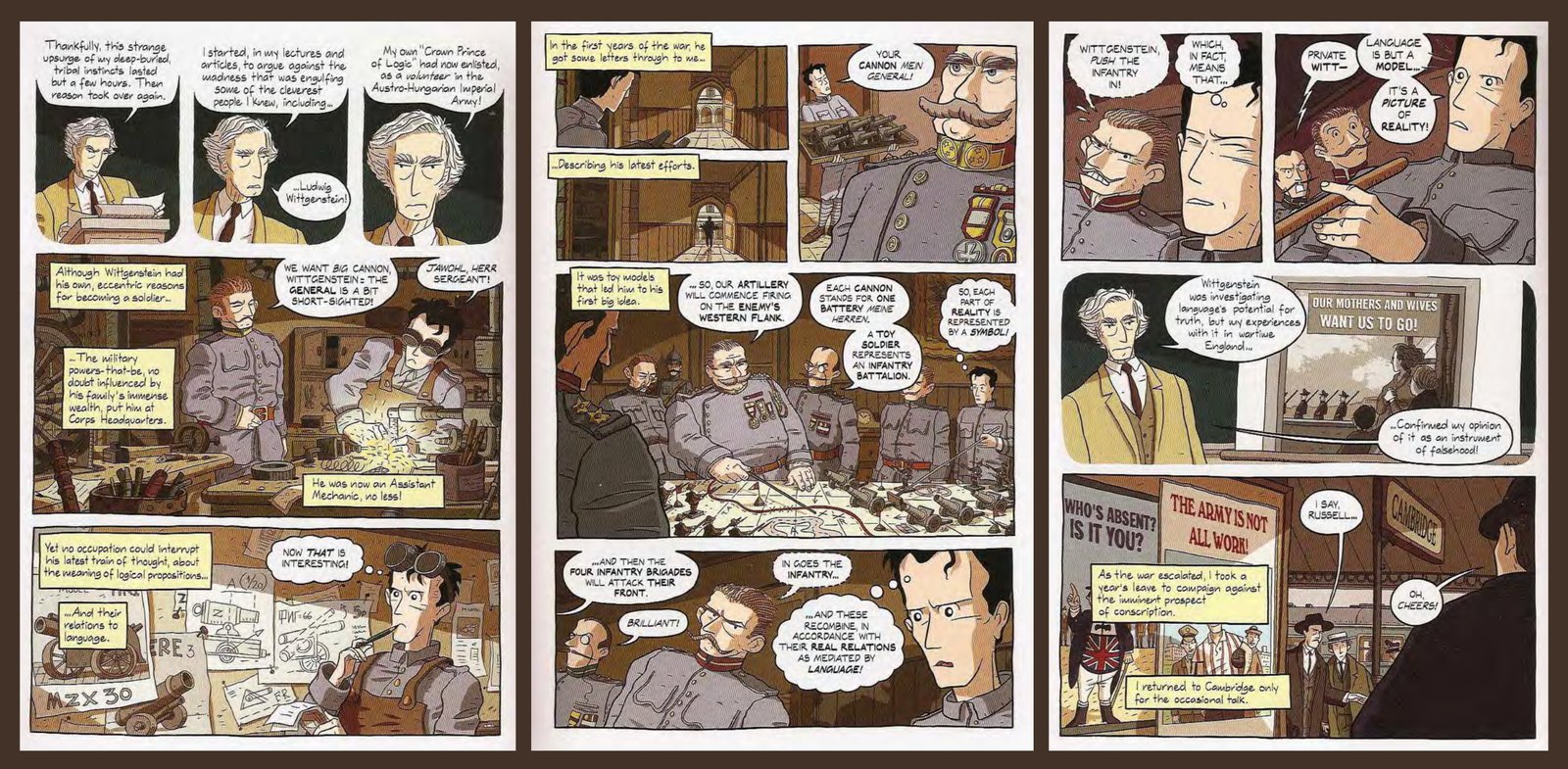
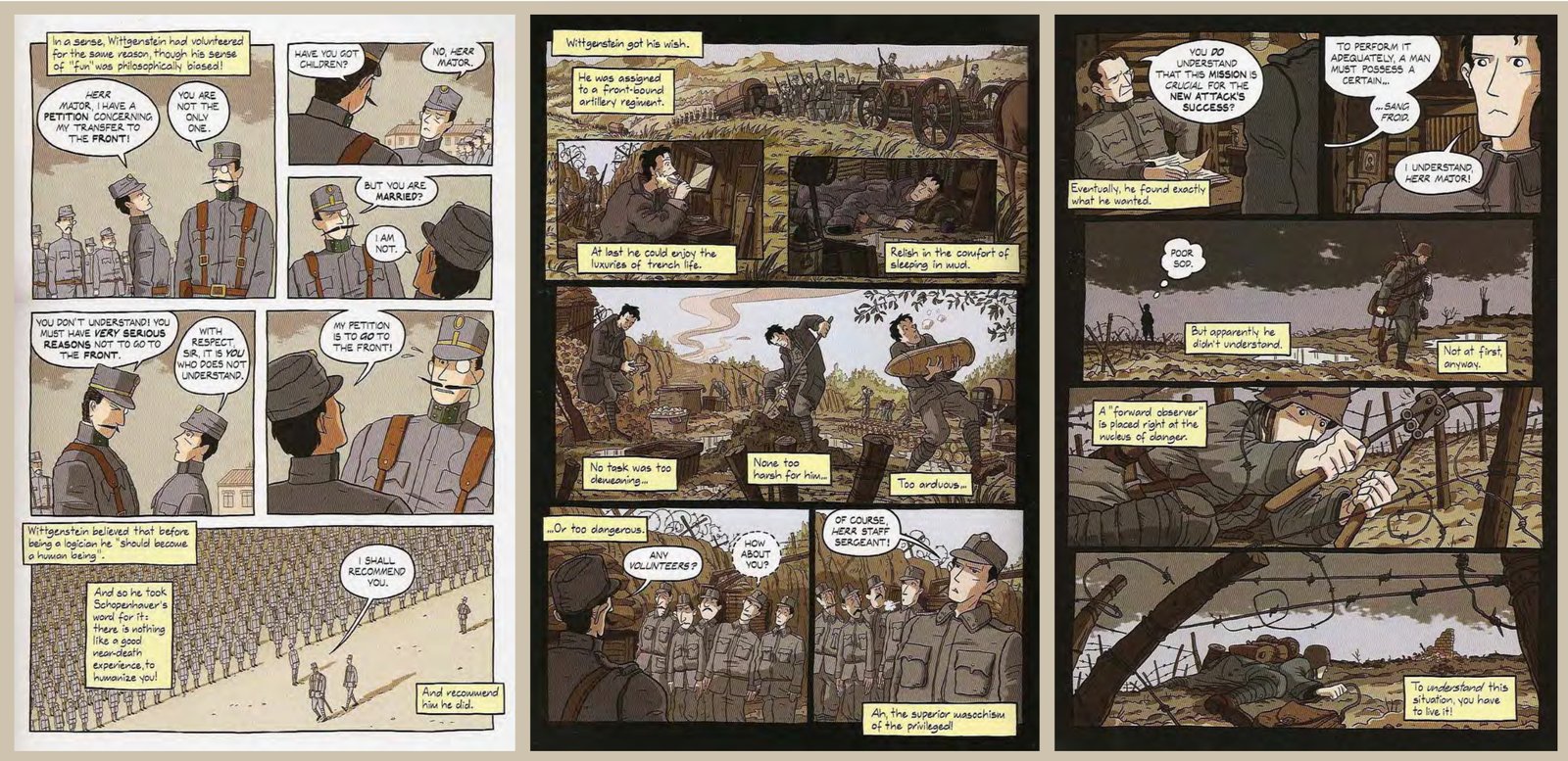
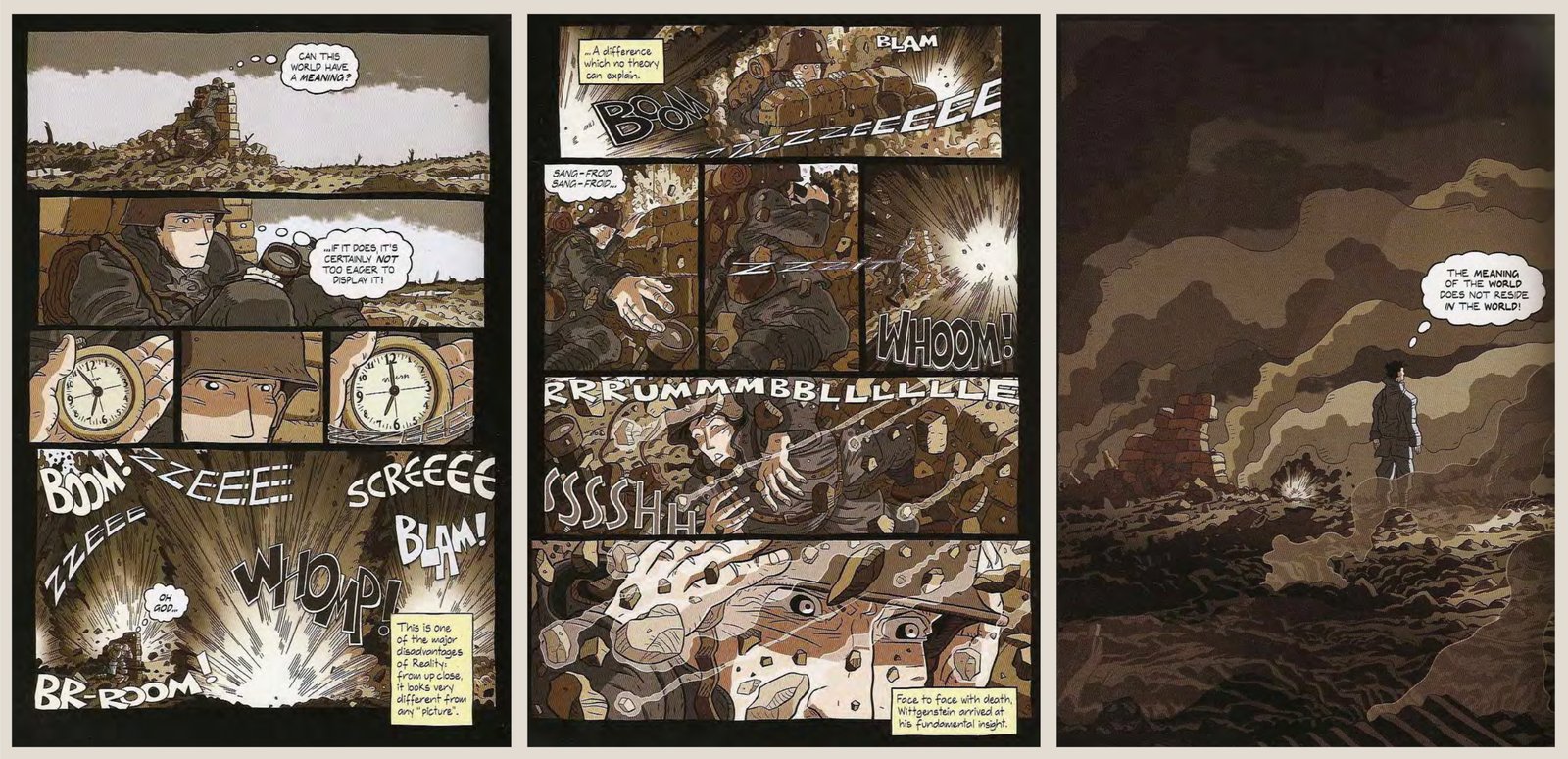
For me, exploring consciousness is not an abstract exercise—it is lived. Consciousness does not exist in theory alone; it is embodied. Any philosophy of consciousness that is developed in the absence of deep and varied human experiences is, by its nature, incomplete. The mind can only make sense of what the body has known. A striking example of this is how an atheist who has built their entire worldview around the nonexistence of the divine can have a single, direct encounter with the sacred and watch their entire intellectual framework collapse. One undeniable experience of the divine can shatter years of careful reasoning. This is why I deeply respect philosophers who have gone to great lengths to expand their direct human experience rather than simply theorizing from an armchair. Ludwig Wittgenstein, for example, enlisted in the Austro-Hungarian army and went to the front lines of World War I—not because he had to, but because he wanted to immerse himself in the raw reality of human existence. He understood that philosophy must be informed by life, not merely by intellect. My heart breaks when I see brilliant thinkers cooped up in academic offices, constructing theories devoid of direct experience.
If I have convinced you that a wide-spectrum human experience is essential for the exploration of consciousness, then consider this: Life will always be incomplete—no single person can encompass the full vastness of existence. But holding an orientation toward the richest possible range of experiences is crucial for those devoted to understanding consciousness. And there is a particular form of incompleteness that stands apart in its significance: the absence of biological parenthood. This is not an abstract idea—it is a reality. Nothing else in human experience can fully match the transformation that biological parenthood brings. This is not a judgment, nor is it a moral argument. I share this with tenderness for those who have deeply yearned for it but have moved past the possibility in their lives. I hold them with reverence. And yet, it remains true: This experience cannot be replicated or substituted by anything else.
Parenthood, in its biological form, stands apart from every other relationship, achievement, or transformation. No other experience on the spectrum of human possibility is equivalent. It is not merely about responsibility or legacy; it is about encountering a new dimension of being, where the self is forever altered in a way no other path can replicate.
This perspective is often misunderstood. In certain parts of the sacred sexuality community, we have seen this perspective dismissed as puritanical, as an attempt to control women’s bodies or impose outdated moral structures of fear and limitation. But this dismissal itself stems from an incomplete perspective. Why must an invitation to consider the profundity of an experience be framed as fear-mongering? Encouraging people—both men and women—to examine their relationship to this potential, to feel into whether there is a part of them that longs for it, is not an imposition but an invitation. It is an invitation to step beyond ideological resistances and into the raw truth of desire.
In my own journey, orienting towards fatherhood has not felt like a restriction but rather an expansion. It has refined my discernment, deepened my relationship with Eros, and clarified my understanding of what it means to engage with another in the most intimate creative act possible. This discernment is not born from fear but from a profound respect for the forces at play in sexual connection. The body, the psyche, and, some might argue, the soul—all intertwine in ways that extend beyond the physical.
There is a difference between fear and wisdom. The former contracts, the latter expands. Encouraging people to consider the experience of parenthood, to approach sexual connection with depth and awareness, and to explore the full range of human experience is not about restriction. It is about fullness.
And for those of us devoted to exploring consciousness, what greater invitation could there be than to walk through every door of human experience that calls to us—including, perhaps, the profound and singular transformation of becoming a biological parent?