The Aliveness of a Story
On the urgent need to resuscitate the art of story-telling in institutionalized wisdom repositories
There is quite the similarity between the stories of the American fight for freedom and the Indian struggle for independence. Both against the British.
In America, the Indians were decimated and then the Brits who lived here developed their own identity as Americans and then revolted against the British King.
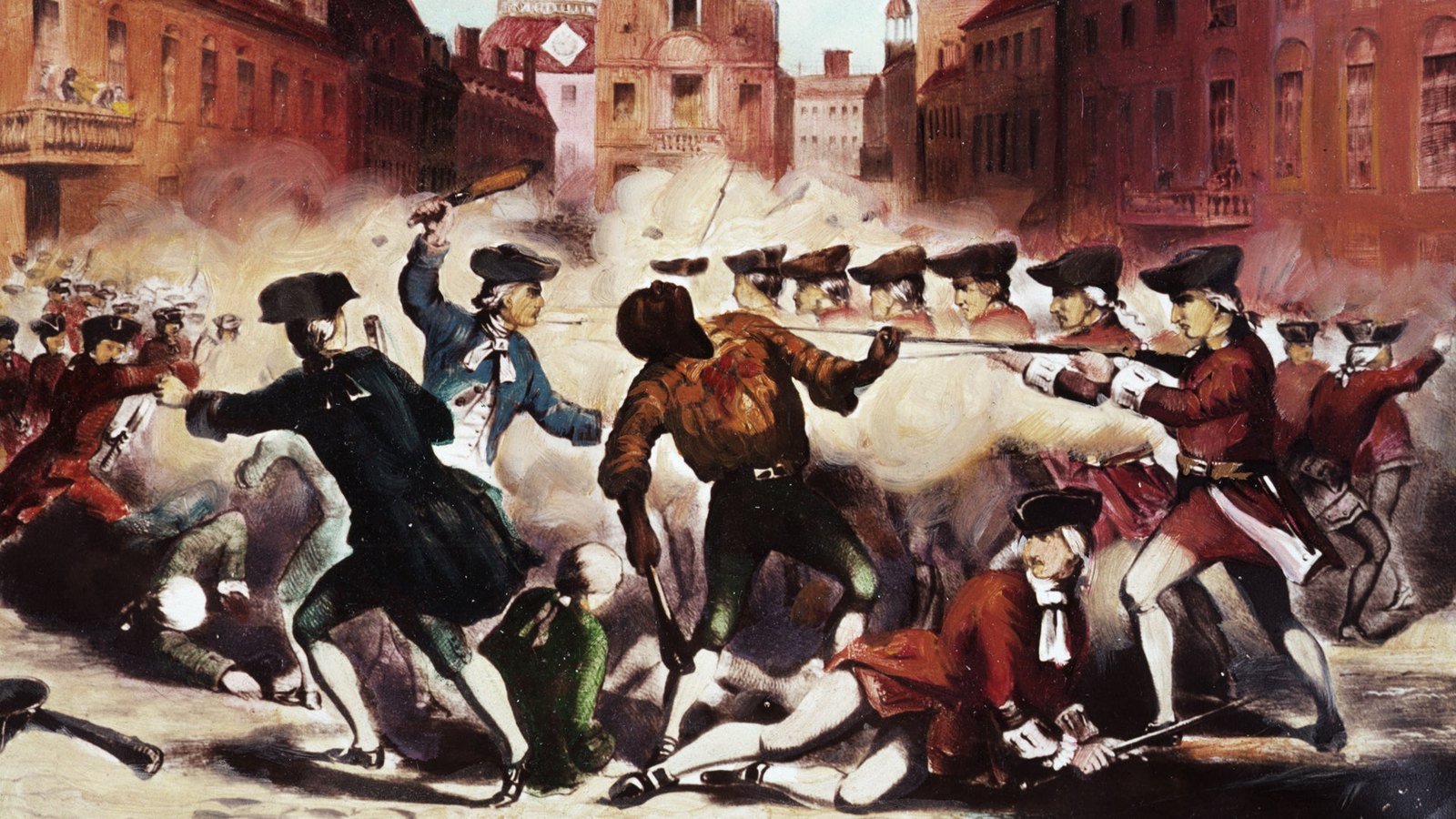
I just finished reading the story of Crispus Attucks, who was amongst a crowd gunned down by a bunch of British redcoats who were standing guard and then were provoked progressively by the protesting crowd. The seed of police brutality in modern day USA, perhaps?
This was before the French Revolution had established the nation as the main geopolitical entity. The idea that a people could all aggregate on a shared identity, often language, and then become one under it. More significantly so, one under a body of law, which wasn't the case prior.
The monarchs and the feudal gentry and the church were above the commoners.
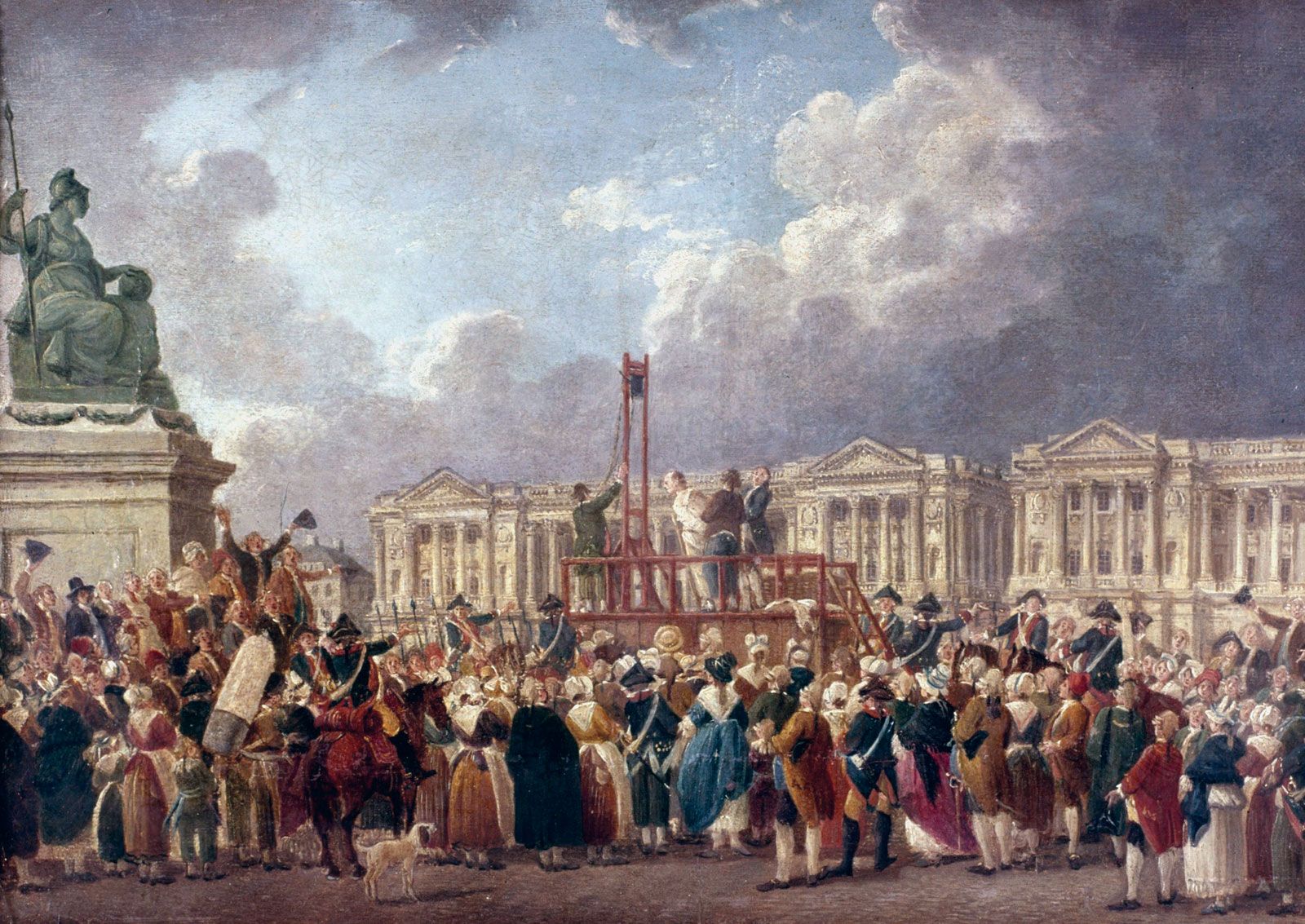
The French had quite the bloody shift to this newer way of being. The English seemed to have found a gentler transition to it. None of their monarchs were guillotined.
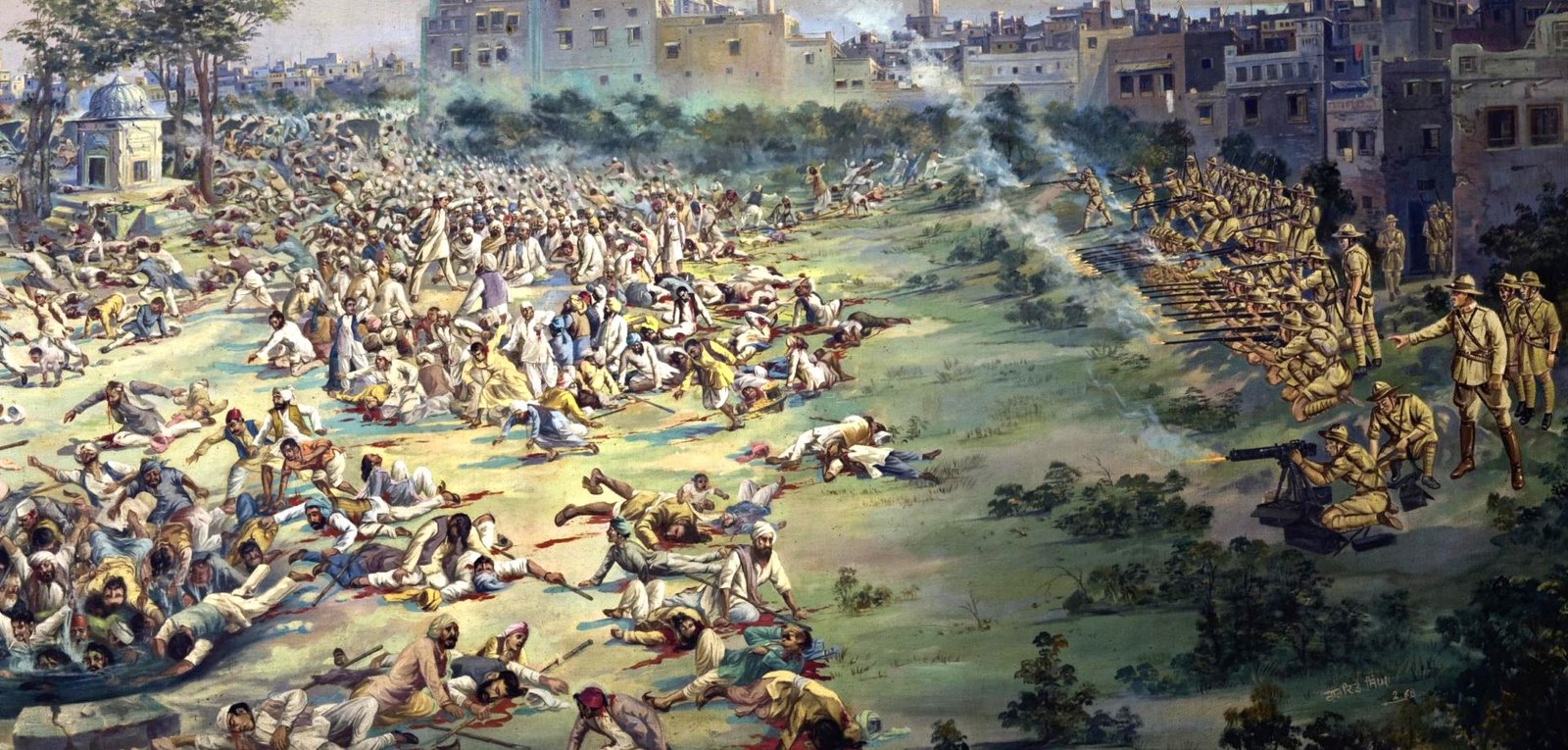
This seems to be a common thread in English history, where I'd argue, they seemed to find a gentler way of doing new things. The English were also the gentler colonists, as compared to the Spanish and the Portuguese, who were far more brutal. This is not to absolve the English of their colonist crimes, like the case with the Crispus Attucks story (reminiscent of the Jallianwala Bagh massacre in India) but to acknowledge the nuance and differences between the varied harms that we have encountered in human history.
I wonder what it was that led to the development of the American identity amongst the colonists, separate from the British identity.
Perhaps, the sense of being oppressed by the monarchy and the feudal class was alive while they were in Britain, and being separated by an ocean allowed that oppression to cohere into an identity?
Perhaps having tasted the oppression of and profiteering off of the natives in America gave the formerly oppressed colonists a taste of what was available to them if they could shirk off the King?
I don't know.
I read this story in a book called “American Folklore and Legends” that I picked up from a free neighborhood library.
It's a very simple story.
Crispus and his friend Tom. Crispus was a freed slave. They went to a protest nearby. The protest escalated. The redcoat shot at the crowd and Crispus died.
All the juice in the story lies in the progressive embellishments of the tellings and the retellings.
I described it above like a modern-day reporter would, thereby deadening it. Such a tragedy it is, that the deadening of a Story is so widely accepted today in our society. Journalistic reporting and academic writing are the top culprits. No wonder people are drawn to “fake news” and “conspiracy theories”. The Stories are so Alive there.
When I read the story of Crispus Attucks, I felt the crisp, chill air of a winter morning and the snowball hurtling through that air and landing, shattering on a redcoat's breastplate. I was transported there for a vivid moment.
What a time it must have been to feel that aliveness bounce amongst a group of humans as stories were shared around a fire as a common way of welcoming a wintry evening!
How does this differ from a story rendered on a mobile phone or a TV screen?
I can imagine that at least some (perhaps a large number) of the stories being shared around a fire were quite poor in quality. The drunk, repetitive ramblings of a fool.
On the other side, I have felt quite enlivened by a very well-made movie like Bad Education or Past Lives. If you had asked me a few years ago, I would have admitted, perhaps sheepishly, perhaps with performative bravado, that I did feel alive when I watched amateurish, hardcore pornography followed by a deadening of myself with violent masturbation.
So I wonder, what is the common thread amongst these varied experiences of Aliveness in response to Story?
Is it the experience of being transported to a place that is inaccessible otherwise?Like I described in my experience of the Crispus Attucks story.
A place that you did not even know existed? A greater sense of wholeness amongst the varied parts of you, parts that you can't see clearly within yourself but are so well depicted in the story that you can't help but feel connected to them? Like in my sense of how my own repressed sexual abuse was drawing me to violent pornography.
Or is it that the Story itself coming Alive in your being, momentarily easing the existential loneliness of your Soul? Like I feel whenever I narrate the story of Auset and Ausar.
I'm reminded in this moment of how dead most of the Buddhist suttas are.
How sad is it that these fascinating narrations of the Buddha telling different stories from his many, many past lives are presented in this deadened manner to present a path to full Aliveness!
Or is it that the kind of aliveness I'm seeking in the Buddhist suttas is akin to the kind of aliveness I would feel while watching porn? Hmm, I don't know.
It would be a fun exercise to re-render all of the stories from, say, the Majjhima Nikaya with a style akin to, say the book “Siddhartha” by Harman Hesse. Someone needs to do that. Perhaps it'll be me.